
Inside Commercial AA & AAA Batteries: Structural and Electrical Variability Revealed by X-Ray and Discharge Testing
Morgan Stanul [MuAnalysis]
Abstract:
Commercial alkaline AA and AAA batteries are widely used in embedded electronic systems, yet are often tested as commodity components and excluded from rigorous incoming inspection processes. Conventional screening typically relies on packaging inspection and open-circuit voltage (OCV) measurement, which do not reliably predict usable capacity or delivered energy under load. This study evaluates the relationship between internal construction variability and electrical performance using a multi-brand dataset comprising 56 AA and AAA cells across seven manufacturers. All samples underwent precision mass measurement, X-ray imaging, internal resistance estimation, and controlled resistive discharge testing to a standardized 0.8 V cutoff.
Brand-dependent clustering of discharge behavior was observed, with total cell mass positively correlated with delivered capacity and elevated internal resistance associated with reduced delivered energy. X-ray imaging revealed structural features, including nonuniform cathode density and off-center core alignment, that were consistently associated with lower performance clusters.
A case study is presented in which structural anomalies identified through X-ray inspection enabled the detection of suspected counterfeit cells and prompted the expansion of the evaluation scope to include controlled electrical discharge testing, confirming reduced performance relative to reference samples. Based on these findings, a scalable, physically nondestructive screening workflow is proposed that integrates visual inspection, precision mass measurement, short-duration load testing, controlled discharge testing, and optional confirmatory X-ray analysis. Initial screening stages require approximately five minutes per cell while providing significantly greater predictive insight than OCV screening alone. These results establish a quantitative relationship between internal construction and electrical performance while demonstrating a practical methodology for reliability laboratories and incoming inspection processes.
Biography:
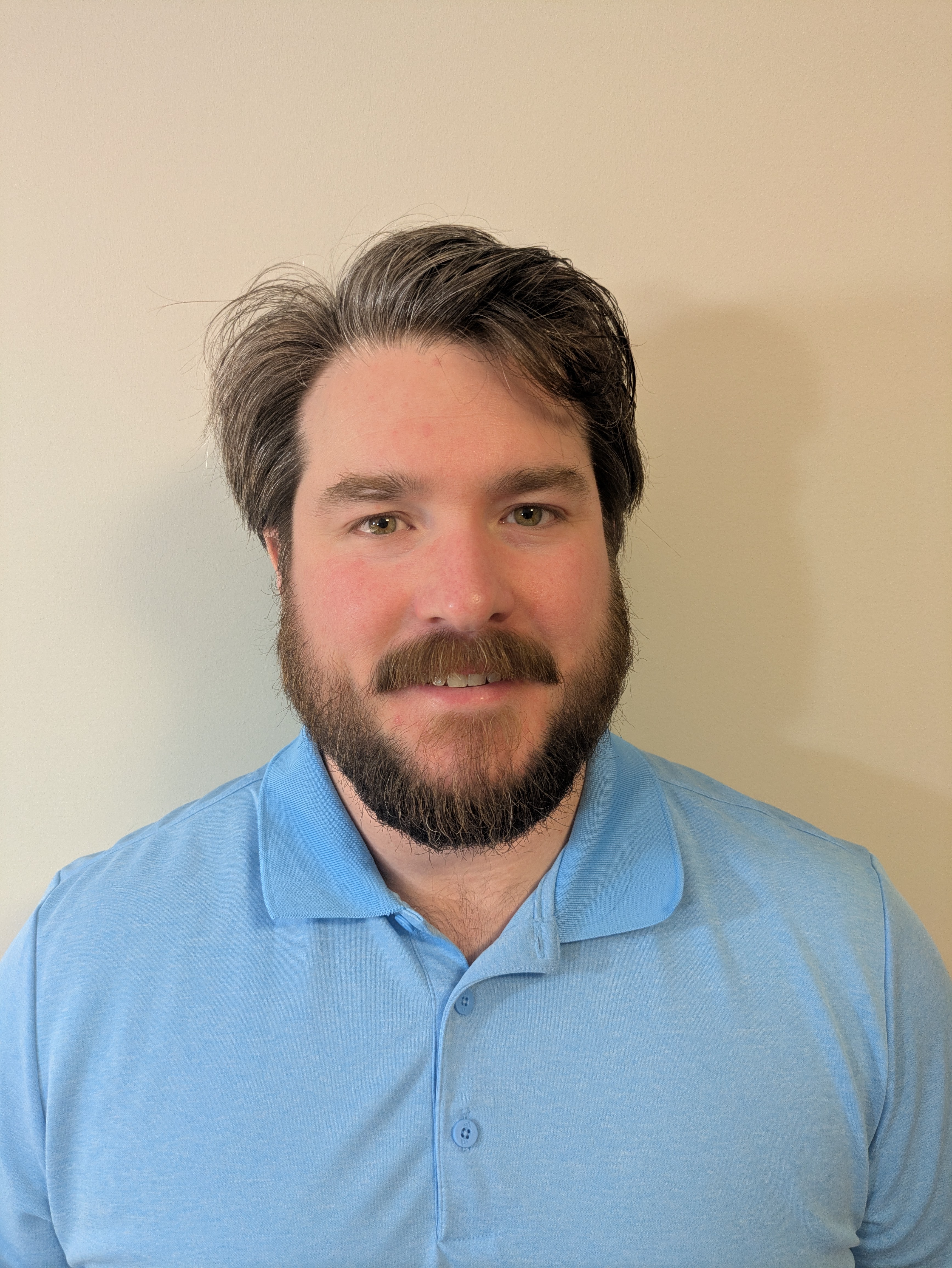 Morgan Stanul is a mature student pursuing Electrical Engineering at Carleton University in Ottawa, Canada, with a focus on semiconductor devices, electronic system reliability, and failure analysis. He has been recognized on the Dean’s Honour List at Carleton University for academic achievement. Prior to pursuing an engineering degree, he worked as a technician, gaining hands-on experience in electronic systems, diagnostics, and practical problem-solving, which continues to inform his engineering approach. Morgan has completed co-op placements as a Junior Electrical Engineer at Fleetway Inc., a Royal Canadian Navy contractor, where he supported electrical systems engineering activities in a defense environment. He also worked as a Field Program Coordinator with the City of Ottawa on the Stage 2 Light Rail Transit (LRT) expansion project, contributing to field operations, coordination, and infrastructure implementation in a large-scale public transit system.
His current work as a Failure Analyst Intern at MuAnalysis focuses on the investigation of electronic component and system failures, with an emphasis on identifying root causes and supporting reliability improvement efforts. His work involves the application of physically nondestructive evaluation techniques, including X-ray imaging, precision measurement, electrical characterization, and functional testing, to assess internal construction and performance. Through this work, he contributes to failure characterization, incoming inspection methodologies, and the identification of nonconforming or suspect components across a range of electronic applications. Morgan’s broader technical interests include semiconductor device physics, embedded systems, and the design of instrumentation for harsh and space environments. He is particularly interested in developing test methodologies and hardware for electronic systems used in demanding applications.

Dr. Diganta Das
For more information or questions regarding the technical program (including Professional Development Courses), contact the Conference Chair, Dr. Diganta Das

Kristin Nafstad
For more information or questions regarding event logistics, exhibitions, and sponsorship, contact Kristin Nafstad.
Top